
Introduction
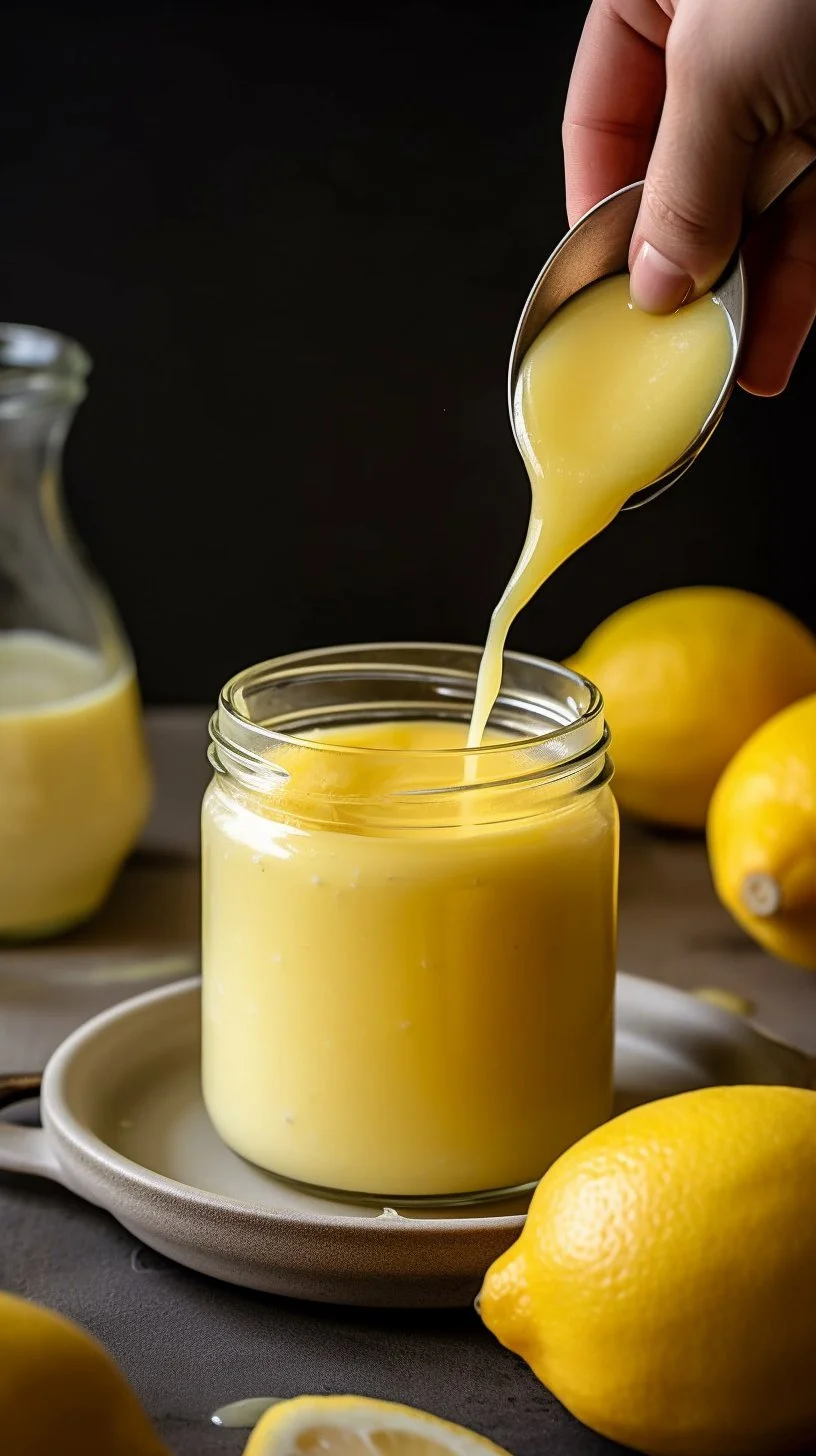
A small jar of lemon curd is like captured sunlight—bright, silky, and breathing of citrus oil. For a tart morning or an afternoon of pastry practice, this recipe offers clarity and comfort; for a festive table, consider pairing its sweetness with other treats like delicious and easy Christmas candy recipes that sing of sugar and spice.
Why make this recipe
Because lemon curd is simple alchemy: a few eggs, pure lemon, and butter transform into a glossy, velvet spread that lifts scones, fills tarts, and seasons a spoonful of plain yogurt into something transcendent. This homemade version is faster and more fragrant than anything from a jar; the zest becomes aromatic confetti and the texture—when done well—sits somewhere between custard and jam, shimmering with buttery sheen.
How to make Easy Homemade Lemon Curd Recipe
Work patiently and with constant motion. Begin by coaxing the lemon oils into the sugar, which perfumes every later spoonful, then bring the eggs and lemon together and temper them gently over gentle steam. A double boiler gives time and steadiness: whisk until the curd coats the back of a spoon, then finish by folding in butter so the surface becomes satin-smooth. For a note on presentation or pairing while you craft, you might browse another simple guide to seasonal sweets at seasonal confections.
Ingredients:
- 2 Egg yolks
- 2 Whole eggs
- 3/4 cup (150 g) Sugar
- 2 tablespoons Lemon zest
- 1/2 cup (120 ml) Lemon juice
- 1/4 cup (60 g) Unsalted butter
Directions:
- Infuse the sugar with lemon zest by combining them in a bowl and rubbing together until fragrant.
- Whisk the egg yolks and whole eggs in the bowl until well combined and slightly thickened, then add lemon juice.
- Cook the mixture over a double boiler, whisking constantly until thickened enough to coat the back of a spoon, about 8 to 10 minutes.
- Remove from heat and whisk in the butter until melted and smooth.
- Strain through a fine mesh sieve into a clean bowl to ensure smoothness.
- Cover with plastic wrap and cool to room temperature, then refrigerate for at least 2 hours before using.
How to serve Easy Homemade Lemon Curd Recipe
Serve chilled or at cool room temperature. Spoon it into tart shells and scatter with thinly sliced almonds, dollop it onto warm scones with clotted cream, or layer it between sheets of crisp puff pastry for a simple mille-feuille. The curd’s acidity balances richness—try a smear beneath a slice of pound cake to cut the sweetness and lift each bite.
How to store Easy Homemade Lemon Curd Recipe
Sealed in a sterilized jar or airtight container, lemon curd will keep in the refrigerator for up to 10 days. For longer life, freeze in small portions (ice cube tray or shallow container) for up to 3 months; thaw slowly in the refrigerator and whisk briefly before serving to restore its silk.
Tips to make Easy Homemade Lemon Curd Recipe
- Use unwaxed, fragrant lemons; the zest holds volatile oils that perfume the curd.
- Infusing the sugar with zest at the start releases more aroma than adding zest later.
- Keep the heat gentle over the double boiler—rapid heat can scramble the eggs; patient whisking yields the creamiest texture.
- If you wish to set the curd slightly firmer for tarts, allow it to chill thoroughly in the tart shell; for a looser spread, shorten the chilling time.
- For savory-sweet boards, pair the curd with soft cheeses or crisp crackers — more ideas can be found alongside a classic dressing recipe at savory companion suggestions.
Variations (if any)
- Meyer Lemon Curd: Substitute Meyer lemons for a floral, less-acidic character.
- Orange or Lime: Swap lemon juice and zest for orange or lime for a different citrus profile.
- Vanilla-Butter Curd: Add a split vanilla bean while cooking for warm, floral notes (remove before straining).
FAQs
Q: Can I use whole eggs only instead of a mix of yolks and whole eggs?
A: The combination here balances silkiness and structure: yolks bring richness and stability, while the whole eggs help set the curd. Using only whole eggs will yield a slightly firmer, less lush texture.
Q: What if my curd looks grainy or the eggs curdled?
A: That’s usually from overheating. Strain immediately to smooth the texture—if bits remain, a short pass through a blender before cooling can help. Next time, lower the heat and whisk continuously over the double boiler.
Q: Is it necessary to strain the curd?
A: Yes. Straining removes any coagulated bits and zest fragments for the glossiest finish and the silkiest mouthfeel expected in pastry-grade curd.
Q: Can I water-bath can this curd for shelf-stability?
A: Lemon curd is acidic, but home canning requires precise methods and tested recipes; this simple stovetop curd isn’t formulated for safe long-term shelf storage without following a preserving protocol.
Q: How tart will it be—should I adjust the sugar?
A: Tartar balance depends on lemons. Taste the warm curd cautiously and adjust with a teaspoon of sugar if your lemons are especially sharp; remember chilling dulls flavors slightly.
Conclusion
If you want an alternate step-by-step reference while you practice the technique, this Easy Lemon Curd Recipe – Plated Cravings offers a familiar method to compare notes, and for a one-pot approach that emphasizes simplicity, see Easy Lemon Curd (One Pot!) – Scientifically Sweet for another gentle workflow.
There is a quiet grace in waiting for curd to thicken and cool—the kind of patience that turns simple ingredients into something luminous.
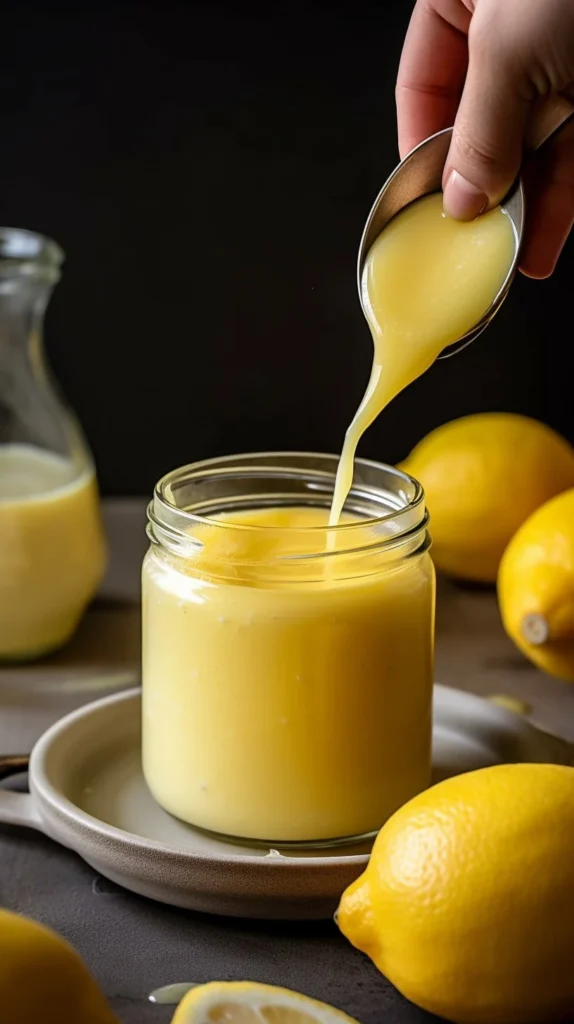
Easy Homemade Lemon Curd
Ingredients
Method
- Infuse the sugar with lemon zest by combining them in a bowl and rubbing together until fragrant.
- Whisk the egg yolks and whole eggs in a bowl until well combined and slightly thickened, then add lemon juice.
- Cook the mixture over a double boiler, whisking constantly until thickened enough to coat the back of a spoon, about 8 to 10 minutes.
- Remove from heat and whisk in the butter until melted and smooth.
- Strain through a fine mesh sieve into a clean bowl to ensure smoothness.
- Cover with plastic wrap and cool to room temperature, then refrigerate for at least 2 hours before using.