
Introduction
A sable dough is the hush between flour and butter — a soft, sandy whisper that browns at the edges and melts into memory. I sometimes think of it as pastry’s lullaby; its fragile crumbs carry lemon or vanilla like a small promise. For a closer look at how similar doughs yield molten centers, consider a molten cookie-dough cupcakes tutorial that explores texture contrasts.
Why make this recipe
Sable dough is a lesson in restraint: cold butter, gentle rubbing, the smallest amount of moisture. It rewards patience with a melting, crumbly bite that lifts creams and jams rather than competes with them. Whether you long for a crisp tart shell or delicate sable cookies to tuck into a tea napkin, this dough is the foundation for elegant simplicity.
How to make Sable Dough (Classic French Sand Cookie)
Begin with measured calm and an iced bowl of butter. The hallmark of sable is its sandlike texture — you want grains, not a kneaded strand. If you have admired the way other cookie doughs hold a soft center, you’ll appreciate how similar handling here preserves a tender crumb without toughness; for a comparison in technique, see this chocolate-chip cookie dough method that emphasizes minimal mixing.
Ingredients:
250 g all-purpose flour, 125 g cold butter, cut into cubes, 100 g icing sugar, 1 medium egg, 1 pinch of salt, Optional: 1 teaspoon vanilla extract or lemon zest
Directions:
- In a bowl, combine flour, icing sugar, and salt.
- Add cold butter cubes and rub with your fingertips until the mixture resembles damp sand. Do not form a dough yet.
- Add the egg and optional vanilla or lemon zest, mixing just until the dough comes together.
- Shape the dough into a flat disc, wrap in plastic wrap, and refrigerate for at least 1 hour.
- Roll the dough to a thickness of 3–4 mm on a floured surface. Line your tart pan and prick the base with a fork.
- For blind baking, bake at 175°C for 12–15 minutes with weights, then remove weights and bake for 5 more minutes until lightly golden. For cookies or fully baked tart shells, bake at 170–175°C for 12–18 minutes.
How to serve Sable Dough (Classic French Sand Cookie)
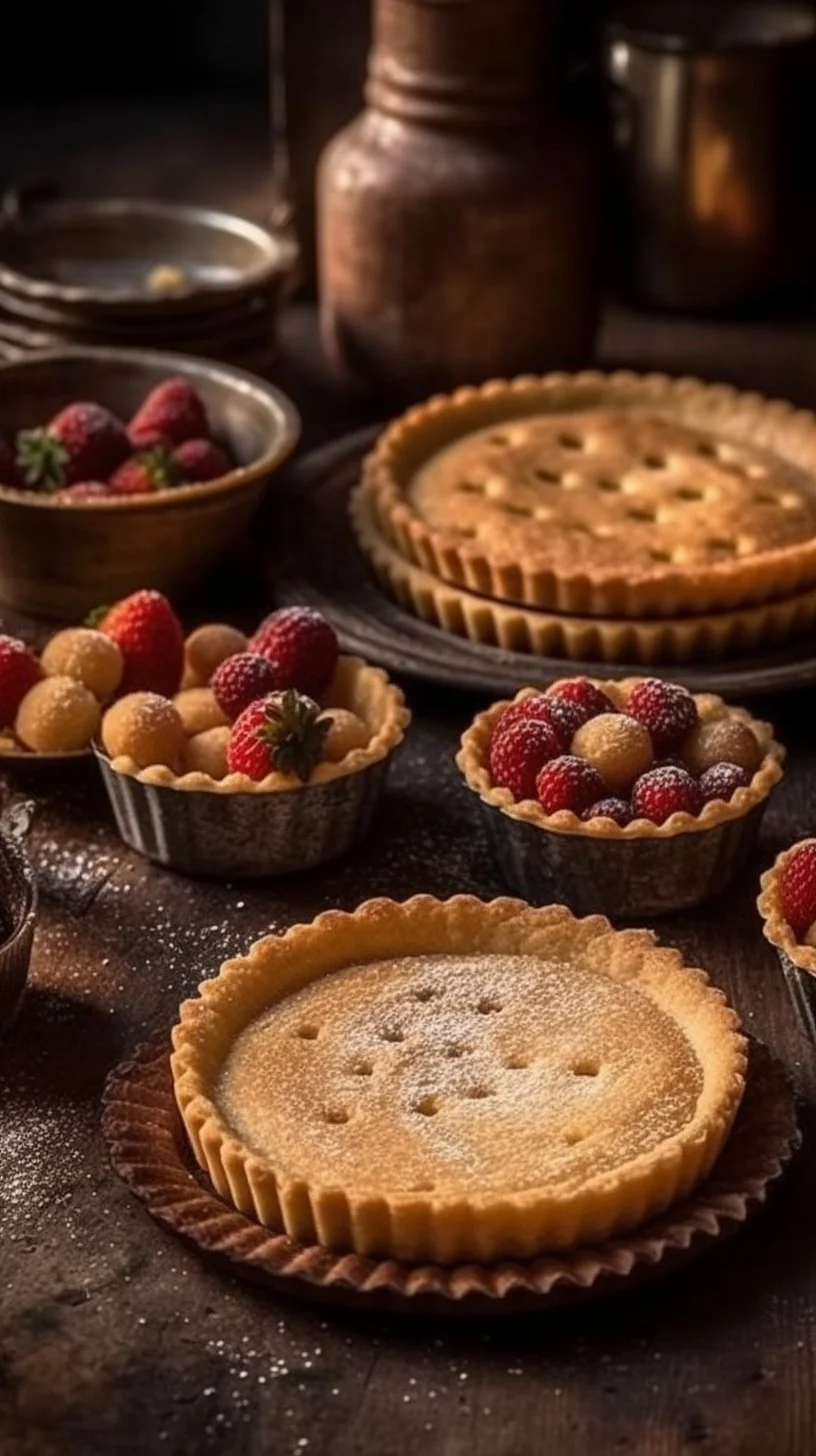
Serve sable as a vessel and a companion. Fill a blind-baked shell with velvety pastry cream and a scatter of glazed fruit for contrast; as individual cookies, pair them with a thin veil of chocolate or a dusting of citrus sugar. Warm slightly before serving to release the buttered perfume — a few seconds under a low oven will turn brittle edges soft and scent the air.
How to store Sable Dough (Classic French Sand Cookie)
Unbaked discs keep well, wrapped tightly, in the refrigerator for up to 48 hours or in the freezer for up to one month. Baked cookies or shells maintain their texture for several days in an airtight tin at room temperature; for longer storage, layer with parchment to preserve the fragile crumb.
Tips to make Sable Dough (Classic French Sand Cookie)
- Keep the butter cold: the tactile rhythm of pinching cold cubes gives you the sandy texture that defines sable.
- Avoid overworking: once the egg binds the mixture, stop; excess handling develops gluten and steals tenderness.
- Chill thoroughly: a cold dough relaxes and is easier to roll thin without cracking.
- Flavor lightly: a teaspoon of vanilla or a whisper of finely grated lemon zest brightens without weighing down the butter.
- For assembly and textural play, look to other small-batch dough projects for inspiration, such as a cookie dough fudge idea that contrasts soft centers with crystalline sugar.
Variations (if any)
- Almond sable: replace 25 g of flour with finely ground almonds for a nutty depth.
- Cocoa sable: fold 15–20 g of cocoa into the flour for a chocolate-scented crumb.
- Citrus-bright: add both lemon and orange zest for a layered, sunlit aroma.
- Shortbread-style: omit the egg and bind with a tablespoon of cream for a more melt-in-the-mouth shortbread.
FAQs
Q: Can I make sable dough without an egg?
A: Yes. Omit the egg and add 1–2 tablespoons of cold cream or milk to bring the dough together; chilling time remains essential.
Q: Why does my sable dough become tough?
A: Toughness comes from overmixing or using warm butter. Work quickly, keep ingredients cold, and stop the moment the dough just holds.
Q: Can I blind-bake without weights?
A: You can, but the crust may puff or shrink. For a smooth, even shell, lining with parchment and filling with baking weights or dried beans is recommended.
Q: How thin should I roll the dough for tarts versus cookies?
A: For tart shells, 3–4 mm yields a delicate, crisp case. For cookies, you may roll slightly thicker to preserve a tender center.
Conclusion
For a deeper technical reference on this family of tart doughs, consult the Serious Eats Pâte Sablée recipe, which traces the classic science of sandy pastry. For another artisanal perspective and step‑by‑step guidance, the Cravings Journal pâte sablée guide offers practical tips and variations.
Baking a sable is an exercise in patience and listening; in its hush you find the quiet architecture of flavor and the slow beauty of restraint.
Sable Dough (Classic French Sand Cookie)
Ingredients
Method
- In a bowl, combine flour, icing sugar, and salt.
- Add cold butter cubes and rub with your fingertips until the mixture resembles damp sand. Do not form a dough yet.
- Add the egg and optional vanilla or lemon zest, mixing just until the dough comes together.
- Shape the dough into a flat disc, wrap in plastic wrap, and refrigerate for at least 1 hour.
- Roll the dough to a thickness of 3–4 mm on a floured surface. Line your tart pan and prick the base with a fork.
- For blind baking, bake at 175°C for 12–15 minutes with weights, then remove weights and bake for 5 more minutes until lightly golden. For cookies or fully baked tart shells, bake at 170–175°C for 12–18 minutes.