
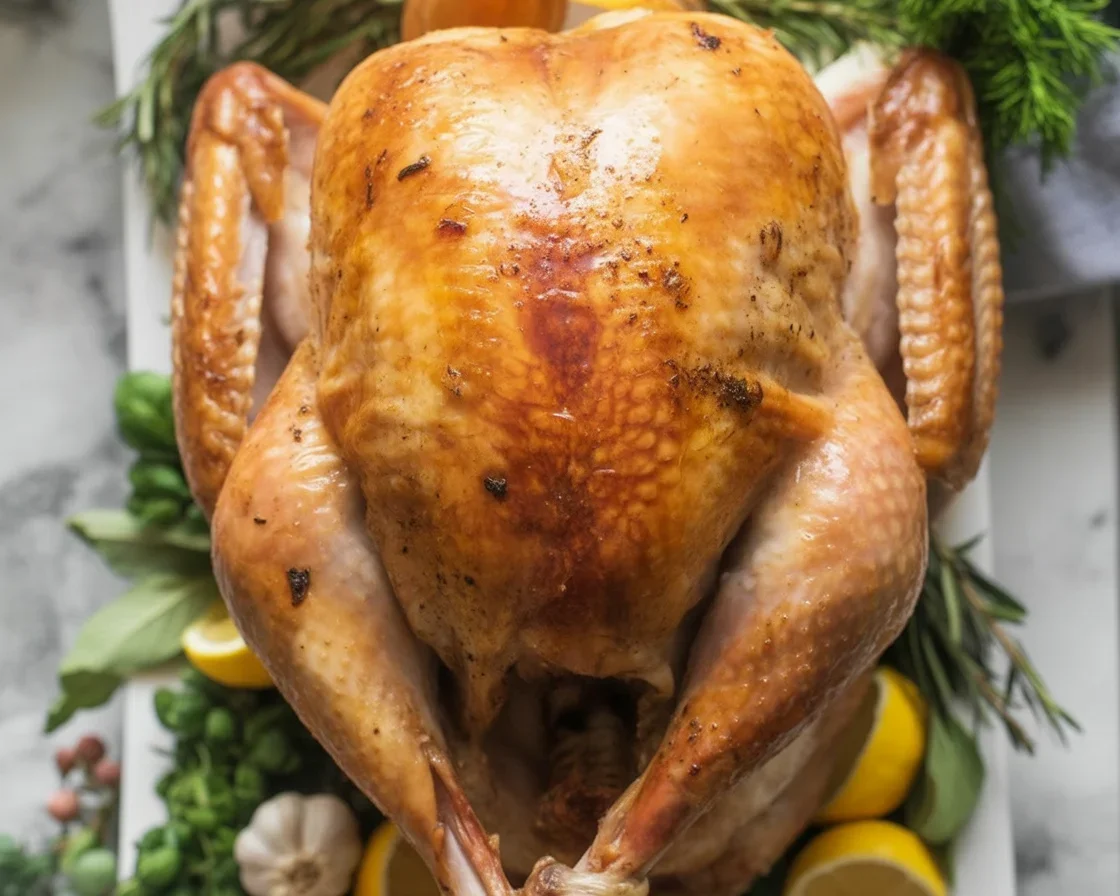
thanksgiving turkey recipe stress is real. You want juicy meat, golden skin, and a recipe that does not send you into a panic. I have been there, staring at a giant bird that still feels half frozen the night before. Over the years I figured out a simple method that’s forgiving, flavorful, and easy to time with the rest of the feast. If you’re nervous, take a breath. I’ll walk you through everything so your turkey turns out tender and ready when you are. 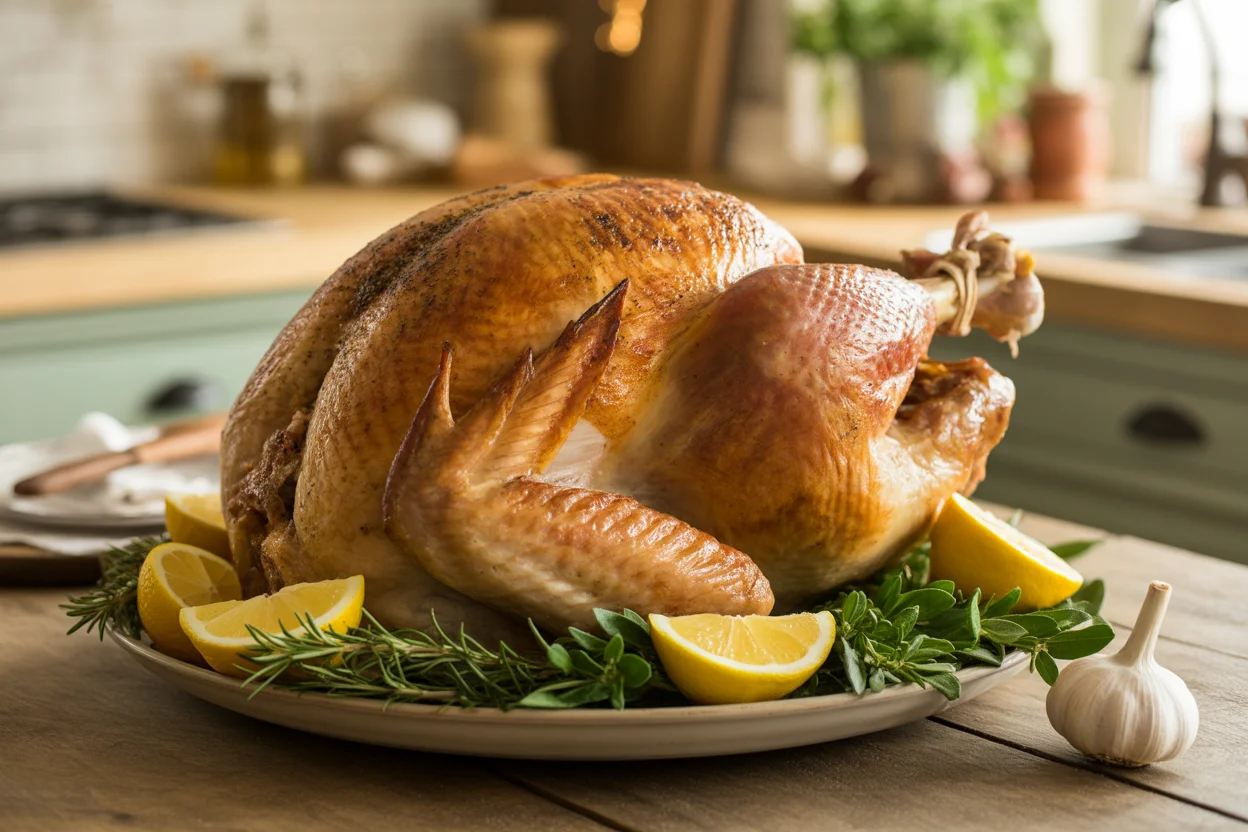
Why You’ll Love This Turkey Recipe
I like a turkey that tastes like turkey, not like a science experiment. This method is straightforward, uses pantry basics, and gives you that crispy skin everyone fights over. It’s also flexible, so if your timing slips a little or your oven runs hot, you’ll still get a great result. The secret is a generous salt rub, a quick blast of heat at the start, and then a relaxed roast until the meat is perfectly done. You can make the pan drippings into homemade gravy while the bird rests, which is honestly my favorite part of the whole show. If you’ve been searching for a reliable thanksgiving turkey recipe you can repeat every year, this one’s it.
“I followed this method for the first time last year and my dad, who is picky, said it was the best turkey he’d had in years. Juicy, seasoned just right, and we actually sat down on time.”
Key wins: juicy breast meat, flavorful dark meat, crisp skin, and minimal fuss. If that’s your vibe, you’re in the right place.
What Size Turkey to Buy?
Weight guide that actually helps
Picking the right size makes the whole day smoother. A small turkey cooks more evenly than a massive one, so if you’re feeding a crowd, two smaller birds often beat one giant showpiece. Plan based on how much people usually eat at your table, and whether you want leftovers for sandwiches or soup.
- For no leftovers: 1 pound per person
- For comfortable servings and a little extra: 1.25 pounds per person
- For generous plates and leftovers: 1.5 pounds per person
Example: For 8 people, a 10 to 12 pound turkey is great. For very hearty eaters, go 12 to 14 pounds. If you need a lot of leftovers, try 14 to 16 pounds, or roast two smaller birds for even cooking and easier carving. Smaller turkeys tend to cook more evenly, which helps the breast stay juicy.
Also consider your oven size and roasting pan. You want at least a couple inches of space around the turkey for air to flow. If your oven is tight, a 12 to 14 pound bird is the sweet spot. 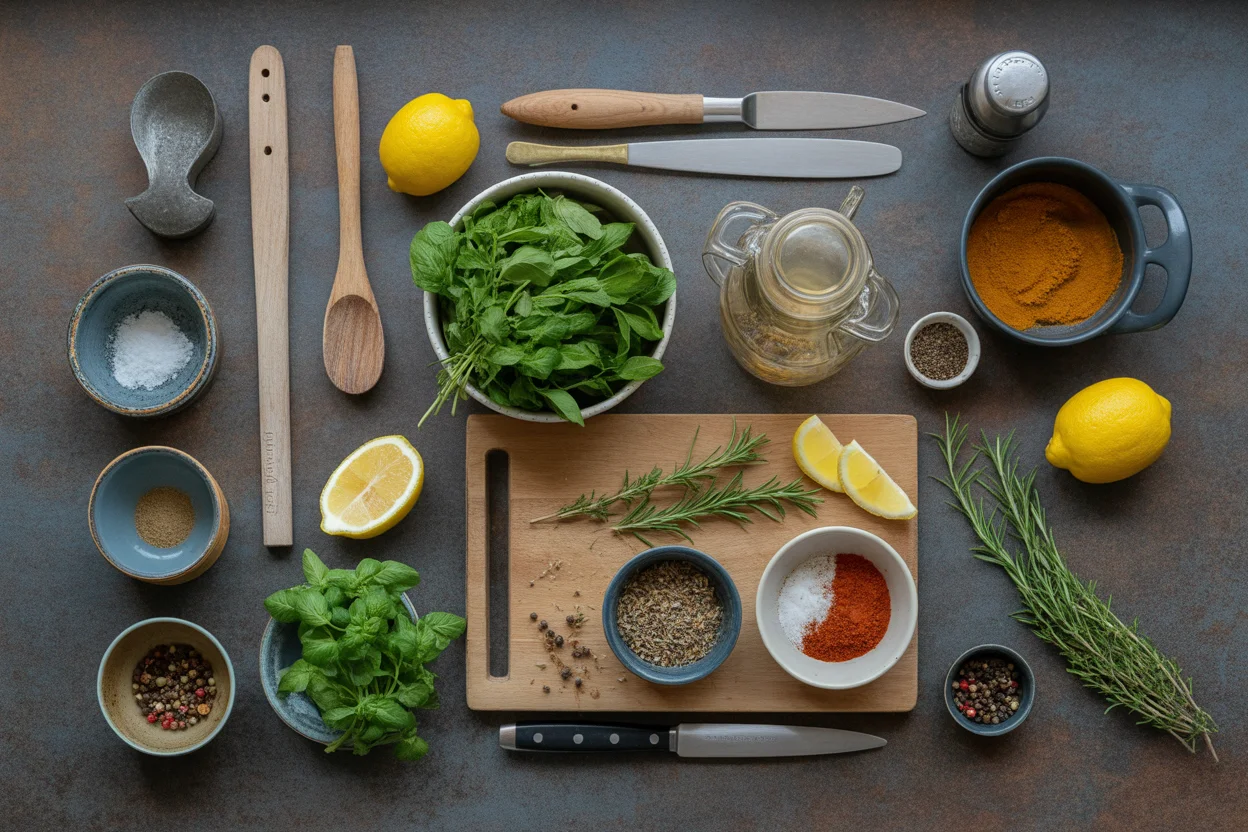
Don’t Forget to Thaw The Turkey
This is the part that trips people up, so let’s keep it simple. Thaw your turkey in the fridge, still in its packaging, breast side up on a tray to catch drips. Allow about 24 hours of fridge time for every 4 to 5 pounds of turkey. A 12 pound turkey typically needs 3 days. A 16 pound bird needs around 4 days. Start early and you’ll thank yourself later.
If you’re short on time, use the cold water method: keep the turkey in its wrapper, submerge it in cold water, and change the water every 30 minutes. Plan about 30 minutes per pound with this method. Never thaw on the counter. And of course, pat the turkey very dry before seasoning. Dry skin equals crisp skin. If you want to plan sides while the turkey thaws, try these buttery mashed potatoes that go perfectly with the drippings.
This is a great moment to relax and visualize the process. You’ve got this.
How to Cook A Turkey
Ingredients and simple gear
You don’t need anything fancy. Here’s what I use every year for a reliable roast with deep flavor and crackly skin:
Ingredients: whole turkey, kosher salt, black pepper, garlic powder, onion powder, paprika, lemon, fresh thyme and rosemary, a whole head of garlic, a couple carrots and onions for the roasting pan, and a few tablespoons of butter or olive oil.
Gear: large roasting pan with a rack, paper towels, instant-read thermometer, aluminum foil, and a sharp carving knife. If your pan does not have a rack, set the turkey on a bed of chopped onions and carrots to lift it off the bottom.
Step-by-step directions
Here’s the process I come back to year after year. It’s simple, consistent, and delivers a tender bird with crisp skin.
Season early: If you can, salt the turkey 24 hours before roasting. Use 1.5 to 2 teaspoons kosher salt per pound. Rub it all over, including under the skin on the breasts. If you are short on time, salt at least one hour before roasting.
Prep the aromatics: Stuff the cavity loosely with a halved lemon, half a head of garlic, and a few sprigs of rosemary and thyme. Toss carrots and onion chunks in the pan with a splash of water or broth.
Dry and oil: Pat the turkey completely dry. Rub the skin with softened butter or olive oil, then sprinkle on black pepper, garlic powder, onion powder, and a little paprika for color.
High heat start: Roast at 450 F for 20 minutes to kickstart browning.
Lower the heat: Drop the oven to 325 F and continue roasting until the thickest part of the breast hits about 160 F and the thigh registers around 175 F. Tent loosely with foil if the skin browns too fast. As a ballpark, plan 13 to 15 minutes per pound at 325 F, but trust your thermometer, not the clock.
Baste smart: You don’t need to baste constantly. If you want to, do it quickly every 45 minutes using pan juices, just to keep the skin glistening without dropping the oven temp too much.
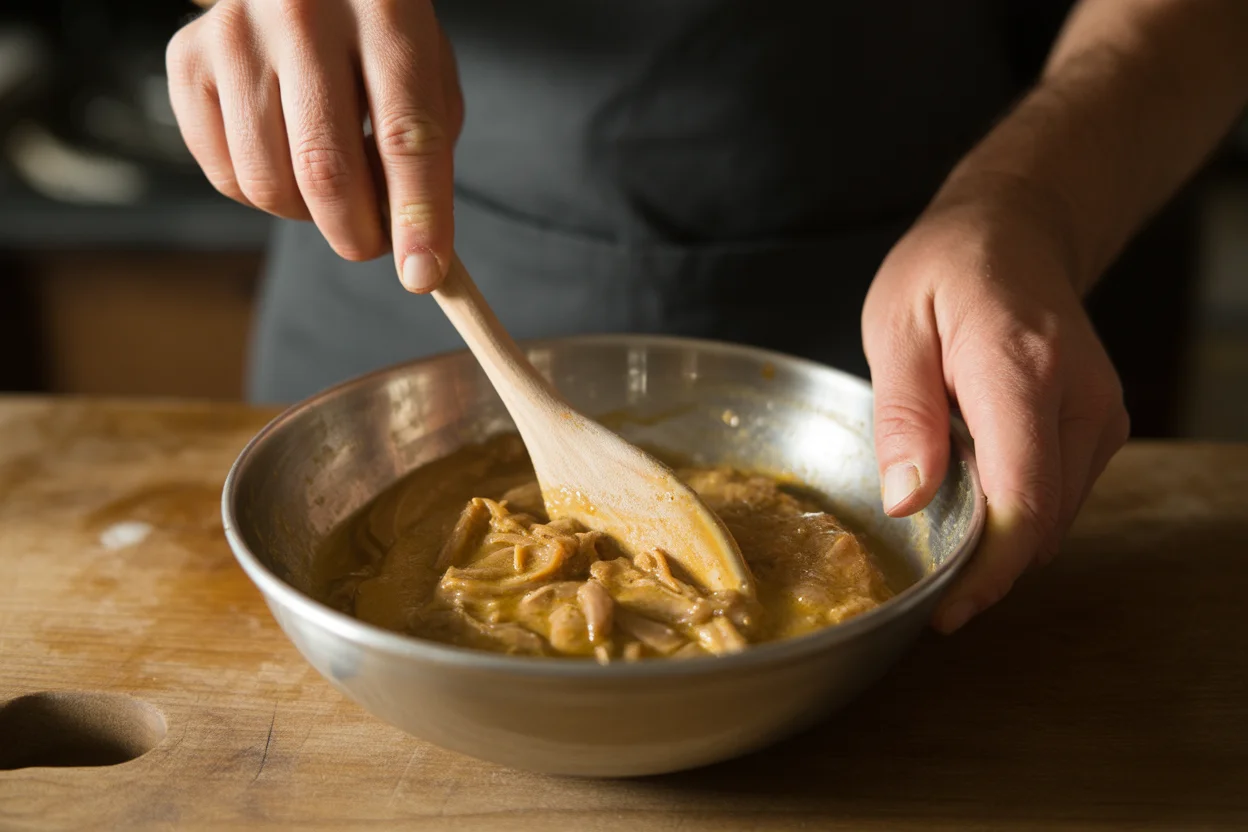
Use the drippings: When the turkey is out and resting, skim off extra fat and use the drippings to make gravy right in the pan. Stir in a bit of flour, whisk in stock, and simmer until smooth. Taste, season, and serve with leftover turkey soup the next day in mind, because you will want to save every drop.
Flavor boosts without extra work
Slide a little butter under the breast skin before roasting for extra richness. Toss a few halved apples or celery stalks into the roasting pan to sweeten the drippings. Add a teaspoon of smoked paprika if your crew likes a gentle smoky note. And if you prefer herbs, a sprinkle of dried sage on the skin is classic and cozy. This thanksgiving turkey recipe is flexible, so make it yours.
Always Let Your Turkey Rest
This is the step that turns a good turkey into a great one. When the breast hits 160 F and the thighs read around 175 F, pull the turkey from the oven, transfer it to a cutting board, and tent loosely with foil. Let it rest at least 30 minutes and up to 45. The temperature will rise a bit while resting, and the juices settle back into the meat. That’s how you get moist slices and a calm, happy carving experience.
While the turkey rests, finish your gravy and warm your sides. If you need ideas, a bowl of buttery mashed potatoes and a crisp green salad are simple and perfect. Then carve against the grain and serve with pride. You did it.
Common Questions
How do I know my turkey is fully cooked?
Use an instant-read thermometer. The breast should reach 160 F and the thigh about 175 F. If parts cook faster than others, tent with foil and keep going until the slowest spot hits temp.
Can I dry brine if I forgot until the last minute?
Yes. Even one hour of salting helps. If you have 12 to 24 hours, even better. Keep the bird uncovered in the fridge for crisper skin.
Do I need to rinse the turkey?
No. Rinsing spreads bacteria around your sink. Just pat it very dry with paper towels before seasoning.
What if my turkey is still a little frozen on roast day?
Try the cold water method for a couple hours to safely finish thawing. Dry well, season, and roast. Expect a slightly longer cook time.
How do I time sides with the turkey?
Use the resting window. Turkey rests for 30 to 45 minutes, which is perfect for baking stuffing, biscuits, or reheating sides while you make gravy.
Ready to Roast Without the Stress
If you want a calm, confident holiday, this thanksgiving turkey recipe is the one I recommend to friends year after year. It’s simple, adaptable, and makes those golden, juicy slices we all dream about. If you want to compare methods or add ideas, I like these friendly guides too: Easy, No-Fuss Thanksgiving Turkey – Tastes Better From Scratch, Easy Thanksgiving Turkey Recipe (Foolproof!), and Best Roasted Thanksgiving Turkey Recipe – How to Cook a Turkey. Take a deep breath, trust your thermometer, and enjoy the process. You’ve got a gorgeous bird in your future and a table full of happy faces. 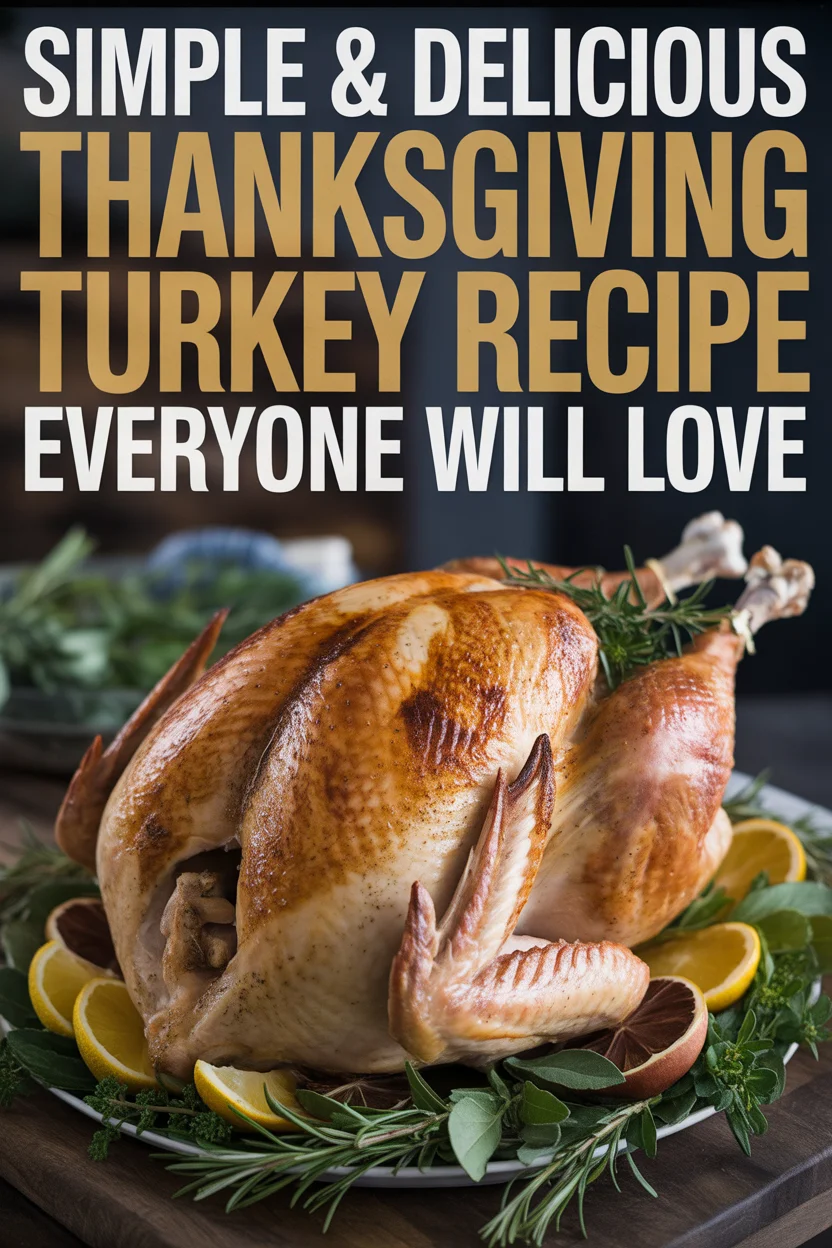
Thanksgiving Turkey
Ingredients
Method
- If possible, salt the turkey 24 hours before roasting with 1.5 to 2 teaspoons kosher salt per pound.
- Stuff the cavity with a halved lemon, half a head of garlic, and some fresh herbs.
- Pat the turkey dry and rub with softened butter or olive oil, then season with black pepper, garlic powder, onion powder, and paprika.
- Preheat the oven to 450°F (232°C) and roast the turkey for 20 minutes.
- Reduce the oven temperature to 325°F (163°C) and continue roasting until the thickest part of the breast reaches 160°F (71°C) and the thigh reaches 175°F (80°C).
- Tent the turkey with foil if it browns too quickly.
- Baste the turkey with pan juices every 45 minutes, if desired.
- Once done, let the turkey rest for at least 30 minutes before carving, tenting loosely with foil.
- Use the drippings to make gravy by skimming off excess fat, whisking in flour and stock, and simmering until smooth.