
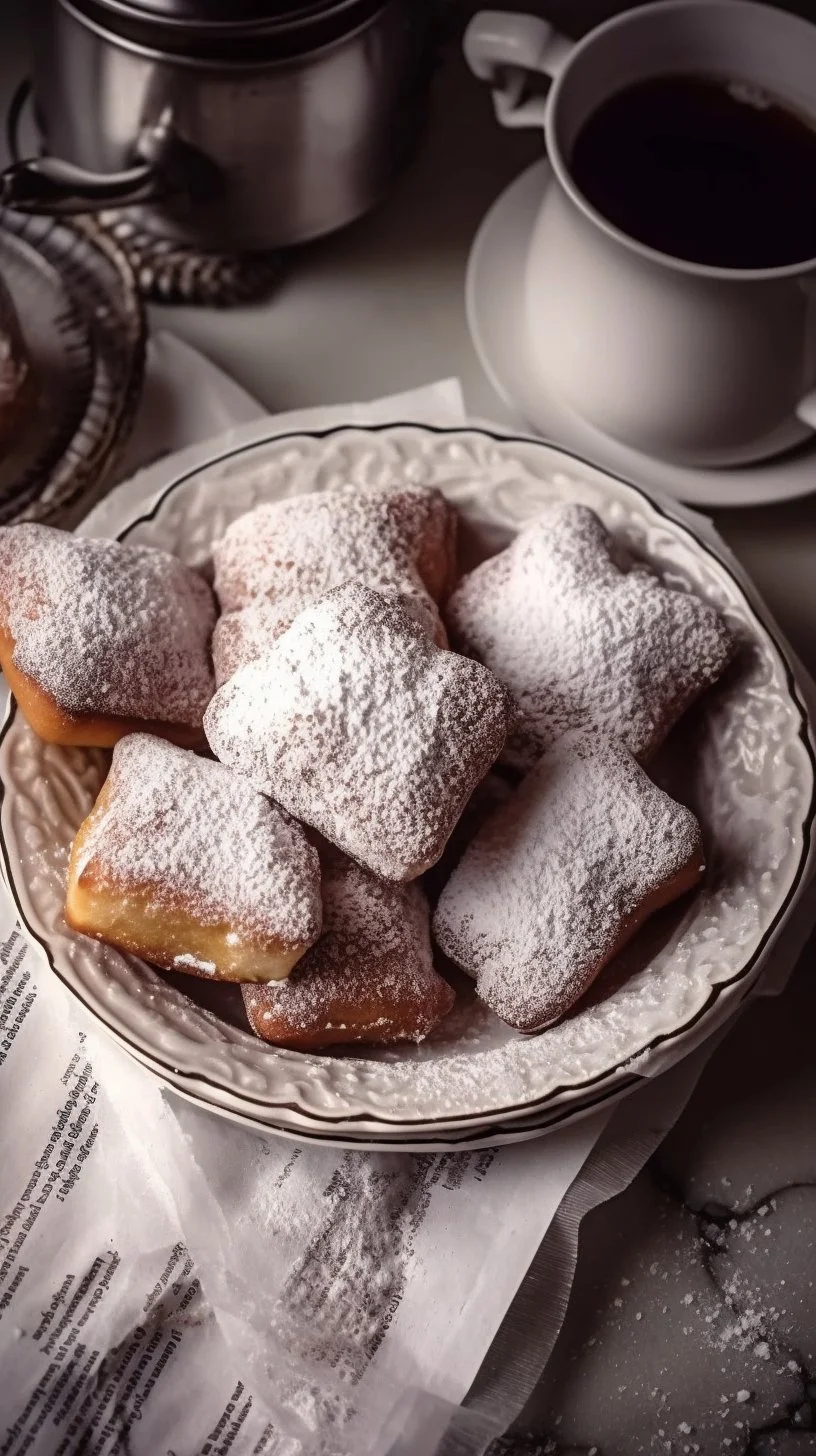
On a rain-slicked evening the steam from hot beignets fogged my kitchen window and the whole house smelled of caramel and fried dough—comfort that feels almost cinematic. I keep returning to this simple recipe when I want something that tastes like a warm embrace, and sometimes I pair the finished plate with festive sweets from a collection of holiday desserts for an indulgent spread. These beignets are a small, pillowy moment of joy you can make anytime.
Why make this recipe
Because beignets are the kind of recipe that collapses time: they evoke street-corner mornings in New Orleans and the hush of a home kitchen at dawn. They’re quick to fry, forgiving to shape, and endlessly satisfying dusted in sugar. If you love the contrast of crisp exterior and tender interior, this is your recipe—and it pairs beautifully with other cozy desserts you might be exploring, like those in a seasonal dessert roundup.
How to make Beignet Recipe
Make the dough with confidence: the key is warm milk and a patient first rise. Use a stand mixer or your hands—kneading until the dough is smooth creates the airy texture you want. When you roll the dough to ½" thick, imagine each square puffing like a tiny pillow in the oil. Fry in small batches so the oil temperature stays steady and you get that golden, blistered exterior.
Ingredients:
- 3¾ –4 cups all-purpose flour (480 g)
- ¾ cup + 2 Tbsp warm whole milk (110°F)
- ⅓ cup granulated sugar
- 1 large egg
- 1¼ tsp salt
- 2¼ tsp instant yeast
- 3 Tbsp unsalted butter (softened)
- 1 tsp vanilla extract
- Neutral oil for frying (about 2 inches deep)
- Powdered sugar (for dusting)
Directions:
- Combine dry ingredients.
- Add warm milk, egg, butter, and vanilla.
- Knead until smooth.
- Let dough rise in an oiled bowl until doubled (1 to 1.5 hours).
- Roll dough to ½" thick. Cut into 2–2½" squares.
- Heat oil to 350°F. Fry beignets in batches, 1–2 minutes per side.
- Drain on paper towels. Dust with powdered sugar and serve warm.
How to serve Beignet Recipe
Serve these beignets steaming hot, piled on a plate and buried in powdered sugar so each bite has that first snowy sweetness. They’re beautiful beside strong coffee, chicory brew, or a bright citrus tea that cuts through the richness. For a playful twist, serve with a small ramekin of warm chocolate or a citrus curd for dipping—if you want something creamy and velvety on the side, consider trying a custard-style dessert like Canarian quesillo for a global duet of flavors.
How to store Beignet Recipe
Beignets are best eaten the day you make them—fresh and hot. If you must store leftovers, let them cool completely, then keep in an airtight container at room temperature for up to 24 hours; they’ll soften and lose some crispness. To revive slightly stale beignets, reheat for a few minutes in a 350°F oven to bring back a little crunch before dusting with fresh powdered sugar.
Tips to make Beignet Recipe
- Temperature matters: Use warm (110°F) milk to activate the yeast without killing it.
- Don’t over-flour: Start with 3¾ cups and add up to 4 cups only if the dough is too sticky. The dough should be soft and slightly tacky.
- Oil control: Keep oil at a steady 350°F—too cool and they’ll absorb oil; too hot and they’ll brown before cooking through.
- Fry in small batches to maintain oil temperature and even browning.
- Rest the dough: the rise gives flavor and airy pockets. Resist the urge to rush it.
Variations
- Filled beignets: Pipe pastry cream, chocolate, or lemon curd into cooled beignets with a filling tip.
- Savory twist: Omit powdered sugar, sprinkle with flaky salt and grated cheese, and serve with a spicy aioli.
- Spiced sugar: Dust with powdered sugar mixed with cinnamon, cardamom, or grated citrus zest for extra aroma.
FAQs
Q: Can I make the dough ahead of time?
A: Yes—after the first rise, you can refrigerate the dough (covered) for up to 24 hours. Bring back to room temperature and let it puff slightly before rolling and cutting.
Q: My beignets are greasy—what went wrong?
A: Most often the oil was too cool. Heat it to 350°F and use a thermometer to monitor; also avoid overcrowding the pan which drops the oil temperature.
Q: Can I bake these instead of frying?
A: You can bake them at 425°F until golden, but they won’t have the same crisp blistered exterior. Brushing with melted butter after baking helps mimic the fried texture.
Q: How do I get perfectly square beignets?
A: Use a ruler or a pastry cutter to slice clean 2–2½" squares. A quick, decisive cut keeps edges neat and encourages even puffing.
Q: Is instant yeast required?
A: Instant yeast works well for convenience, but active dry yeast can be used—proof it in warm milk first and adjust rising time as needed.
Conclusion
If you want a classic New Orleans-style take on these pillowy fritters, this Baker by Nature New Orleans-style beignets guide offers helpful techniques and regional flair. For another trusted, in-depth recipe and background on beignet history, check out the version at Simply Recipes’ New Orleans Beignets to compare methods and tips. Happy frying—may your kitchen smell like warm sugar and good memories.
Beignets
Ingredients
Method
- Combine dry ingredients: flour, sugar, salt, and instant yeast in a mixing bowl.
- Add warm milk, egg, butter, and vanilla to the dry ingredients.
- Knead the dough until smooth, either by hand or using a stand mixer.
- Let the dough rise in an oiled bowl until doubled in size (1 to 1.5 hours).
- Roll the dough to ½ inch thick and cut into 2-2½ inch squares.
- Heat oil to 350°F in a deep pan.
- Fry beignets in small batches for 1-2 minutes per side until golden.
- Drain on paper towels, then dust with powdered sugar before serving warm.